




 AAPL Solutions Pvt. Ltd.
Gold
Maharashtra Tightens Rules for Dental Laboratories After 350 Complaints
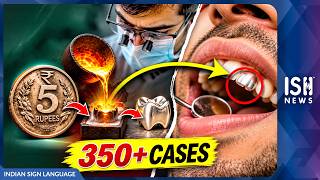
Maharashtra has introduced new dental laboratory rules after complaints about unqualified technicians and allegations of melted Rs.5 coins being used in dental crowns.
Melted Rs.5 Coins Used in Dental Crowns? Maharashtra Introduces New Rules
Have you heard about dental crowns? Do you know what they are?
A dental crown, commonly called a tooth cap, is a covering placed over a damaged or weakened tooth. It helps restore the tooth's shape, strength and ability to function normally. Dental crowns can be made using materials such as ceramic, zirconia and specially manufactured metal alloys.
But a concerning practice has come to light in Maharashtra. Some unauthorised dental technicians are allegedly using melted Rs.5 coins and other unsuitable metals to make dental crowns.
How does this happen, and why is it a concern?
How are Rs.5 coins allegedly being used?
According to reports, some technicians collect Rs.5 coins and heat them at high temperatures until the metal melts. The molten metal is then poured into specially prepared moulds. After cooling, it is shaped and polished to make dental caps.
One reason for using coins is their low cost compared with properly manufactured dental materials. However, coins are made to be used as currency. They are not designed or tested for long-term contact with the human body.
What are the health risks?
Using unsuitable or untested metals inside the mouth can create several health problems.
The metal may corrode over time and release substances into the mouth. Depending on its composition and the patient's sensitivity, this could cause:
- Irritation or inflammation of the gums and surrounding tissues
- Allergic reactions
- Corrosion and damage to the crown
- Poor fitting, which may allow bacteria to enter and damage the tooth underneath
A dental crown must be made using suitable materials and meet proper quality and safety standards.
Is melting Indian coins ILLegal?
Yes, there is a law against melting or destroying Indian coins.
Under Section 12 of the Coinage Act, 2011, no person is allowed to melt or destroy coins or use them for purposes other than as a medium of exchange. Section 13 explains the punishment for violating this rule. It can include imprisonment for up to seven years and a fine.
Why has Maharashtra introduced new rules?
The Maharashtra Medical Education Department has received more than 350 complaints since 2014 about unqualified people doing dental laboratory work and the use of unsuitable materials.
According to Dr Pallavi Saple, Director of Medical Education and Research, Maharashtra has around 66,000 registered dentists but only approximately 1,200 qualified dental technicians. This shortage has raised concerns about untrained people entering the dental laboratory business.
To address these problems, the Maharashtra government issued new guidelines on 6 November 2026 to regulate dental technicians, laboratories, manufacturers and suppliers.
What do the new rules say?
Under the new guidelines:
- Dentist's prescription is compulsory
- Dental technicians cannot accept direct orders from patients to manufacture crowns, bridges, dentures and other dental appliances.
- They must receive written or electronic instructions from a registered dentist. These instructions must include details such as the dentist's registration number, the type of appliance and the material to be used.
- Only qualified technicians can do the work
- Dental laboratory services must be provided by technicians with recognised dental qualifications and valid registration with a state dental council.
- Licences are required
- Dental manufacturers must obtain the required licences. Suppliers and distributors must also complete the prescribed registration process.
- Records and quality checks are compulsory
- Dental laboratories must maintain records of materials, suppliers, prescriptions, manufacturing, quality checks, sterilisation and customer complaints.
- FDA can inspect laboratories
- The Food and Drug Administration (FDA) has been given powers to inspect dental laboratories, suppliers and dental establishments. Officials can also collect samples to check whether the required rules and standards are being followed.
These steps aim to improve the quality and safety of dental appliances used by patients. The issue also reminds us that patients should receive dental treatment using properly tested materials and appliances made by qualified professionals.
A dental crown may look like a small cap, but the material used to make it can have a long-term impact on a person's oral health.