




 AAPL Solutions Pvt. Ltd.
Gold
AAPL Solutions Pvt. Ltd.
Gold
Rahul Gandhi Moves To Supreme Court Against SIR
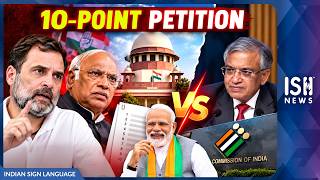
Rahul Gandhi and opposition leaders have filed the “Pause SIR” petition in the Supreme Court, challenging the Election Commission’s voter-list revision process.
What Is the ‘Pause SIR’ Petition?
Congress leader Rahul Gandhi and other opposition leaders have approached the Supreme Court over the Election Commission of India’s Special Intensive Revision (SIR) of voter lists. They want the court to examine how voter names are being added to and removed from electoral rolls.
Why Did Rahul Gandhi Approach the Supreme Court?
Rahul Gandhi and Congress president Mallikarjun Kharge had requested a meeting with Chief Justice of India (CJI) Surya Kant on October 12, 2026. The CJI declined the request, explaining that the issues were already before the court and should be addressed through the legal process.
Gandhi then joined other opposition leaders in marching towards the Supreme Court and filing a joint petition challenging aspects of the SIR process. The petition, filed under Article 32 of the Indian Constitution, asks the Supreme Court to protect voters’ rights and examine whether the Election Commission followed the law.
Rahul Gandhi’s 10 Demands Explained
1. Make All SIR Records Public
- The opposition wants the Election Commission to provide complete records related to the SIR process, including documents and decisions from its beginning in June 2025.
2. Examine Whether SIR Follows the Constitution
- The petition asks the Supreme Court to examine whether the Election Commission’s decisions and the SIR process comply with the Constitution and applicable laws.
3. Take Action Against Officials Who Break the Law
- The opposition wants proper action against officials found responsible for breaking constitutional or legal requirements during the voter-list revision process.
4. Respond to Complaints With Recorded Decisions
- Gandhi has raised concerns about questions and complaints submitted to the Election Commission. The petition seeks clear responses and recorded decisions that can be reviewed by the court.
5. Examine Changes to Form 6
- Form 6 is used by eligible citizens to apply for inclusion in the voter list. The petition asks the court to examine changes to the online form and whether they were introduced in accordance with the law.
6. Set Up an Independent Audit Committee
- The opposition wants an independent committee to examine voter-name deletions, changes to Form 6 and relevant systems governing elections, including EVM-related processes.
7. Publish the Names of Deleted Voters
- The petition seeks publication of details of voters whose names have been removed, along with the reasons for deletion. It also asks for wrongly deleted names to be restored.
8. Give Voters Notice Before Removing Their Names
- The opposition wants safeguards requiring voters to be informed before their names are removed from electoral rolls. They should receive the reasons and an opportunity to respond.
9. Suspend the Ongoing SIR Process
- The petition asks the Supreme Court to temporarily stop the ongoing SIR exercise while the legal questions are examined.
10. Pass Any Other Necessary Orders
- The opposition has asked the court to issue any additional directions it considers necessary to protect voters’ rights and the fairness of elections.
What Happens Next?
The petition has brought the Election Commission’s voter-list revision process under renewed legal and political scrutiny. The opposition argues that the process needs greater transparency and safeguards against the wrongful removal of eligible voters.
The Election Commission’s decisions and the legality of the process are matters for examination through the proper legal proceedings. The opposition’s demands are requests to the court, not findings that wrongdoing has been established..
The case could have important implications for how voter lists are revised and how eligible voters can challenge the removal of their names.