




 AAPL Solutions Pvt. Ltd.
Gold
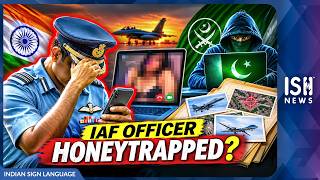
Nude Photos for India's War Plans? IAF Officer Accused of Spying for Pakistan
A serving IAF Wing Commander has been accused of sharing classified military information with a suspected Pakistani intelligence operative in exchange for nude photographs.
IAF Wing Commander Allegedly Shares War Plans for Nude Photos From Pakistani Operative
Imagine an Indian Air Force officer sharing secret military information with a suspected Pakistani intelligence operative in exchange for nude photographs. A Delhi Police chargesheet has made this shocking allegation against a 44-year-old IAF Wing Commander. The officer is accused of sharing classified military documents and sensitive defence information through WhatsApp.
The case first came to light in August 2026. However, it gained fresh attention in November after more details from the police chargesheet were reported.
How Did the Alleged Honey Trap Begin?
According to the investigation, the incident began on January 12, 2026, when the officer received a WhatsApp message from an unknown person posing as a woman. The sender claimed to be going through a separation and looking for a therapist. The officer initially told the sender that they had contacted the wrong number.
However, the conversation continued. The officer was reportedly also dealing with a separation from his wife and living alone at the time. Their conversations gradually became personal. They began exchanging photographs and having calls. The person eventually started sending him nude photographs.
Investigators suspect that the person was actually working for Pakistani intelligence and had deliberately targeted the officer by exploiting his personal situation.
What Information Did the Officer Allegedly Share?
According to the Delhi Police chargesheet, the officer began sharing photographs and information related to his workplace and military activities. The allegations include sharing a page from a classified Indian Air Force war plan after receiving a nude photograph.
Police further alleged that the officer offered to share another page of the war plan for every additional nude photograph he received. The chargesheet also lists sensitive information about military preparations, drone units, aircraft deployments and military exercises.
These disclosures, if established, could expose sensitive defence information and put India's military security at risk.
Five Other Officers' Devices Were Also Targeted
The case became even more serious when investigators found that the suspected operative had sent the officer applications and links containing malware or spyware. Malware is harmful software that can secretly access information or interfere with a device. Spyware is designed to collect information without the user's knowledge.
According to the chargesheet, the officer helped install specific malware or spyware on the electronic devices of five officers serving under him. Investigators suspect that this could have allowed access to confidential information and communications between the officers and their superiors.
More Than 3,000 WhatsApp Messages
The police also examined the officer's WhatsApp communication with the suspected operative.
According to the chargesheet, the exchange between January 12 and April 1, 2026, included:
- 3,008 text messages
- 65 photographs
- 65 message reactions
- 42 voice calls
- 4 video calls
- 6 links
These digital records form part of the evidence presented by Delhi Police.
How Was the Officer Caught?
The Indian Air Force reportedly noticed suspicious activities and kept the officer under surveillance.
On April 1, 2026, he was stopped and checked after being found carrying a smartphone into his workplace. Following a complaint by the Indian Air Force, Delhi Police arrested him on May 30. He was booked under the Official Secrets Act and sent to judicial custody.
The police submitted a chargesheet before the court on July 30. The officer is currently lodged in Delhi's Tihar Jail.
What Happens Next?
The investigation is examining the full extent of the information allegedly shared with the suspected Pakistani operative. Authorities are also looking into the possible involvement of other people in the network.
The case has raised serious concerns about the security of military information and the possibility of intelligence operatives targeting defence personnel through personal relationships and online communication. The allegations against the Wing Commander have not yet been proven in court. The case is currently before the judicial system.
This incident is also a reminder that seemingly personal conversations online can be used as a way to target people with access to sensitive information.