


 AAPL Solutions Pvt. Ltd.
Gold
AAPL Solutions Pvt. Ltd.
Gold
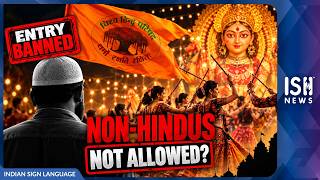
VHP and Bajrang Dal to Ban Muslims From Garba Events ?
Garba is becoming more expensive as events grow more commercial. Meanwhile, demands to restrict non-Hindu participation have sparked debate over religious identity, safety and inclusion.
Garba, Big Business and Identity Checks: What Is Changing This Navratri?
Garba is traditionally a community celebration during Navratri, when people gather in societies, schools, community halls, and open grounds to dance together. For many, it was a way to celebrate devotion, culture and community without spending much money.
Today, some Garba events have become large commercial productions. They feature famous singers, DJs, professional stages, elaborate lighting, security, food stalls, covered venue,s and VIP areas. As these events grow, the cost of attending them has also become a concern.
Why Are Garba Tickets Becoming More Expensive?
Ticket prices at some major Garba events in Ahmedabad in 2026 range from around Rs.1,000 to Rs.10,000, depending on the event and the facilities offered. In Mumbai, some event passes reportedly start at around Rs.1,500 per day and can exceed Rs.2,500.
Organisers may point to rising costs, security arrangements, popular performers and premium facilities as reasons for higher prices. However, critics argue that the growing focus on luxury, brand promotions and expensive food options is changing the nature of the celebration.
VHP Calls for Restrictions on Muslim Participation
The debate around Garba this year is not only about ticket prices. It has also become a discussion about religious identity and who should be allowed to attend.
In September 2026, the Vishva Hindu Parishad (VHP) called for Muslims to be barred from Garba and Dandiya events across Maharashtra. The organisation also asked event organisers to check attendees' identities, including through Aadhaar cards, and suggested applying a tilak at entry. These demands have led to debate about access to public celebrations and the role of religious identity in deciding who can participate.
What Happened at a Garba Event in Borivali?
At a major Garba event in Borivali, Mumbai, BJP MLA Sanjay Upadhyay initially said Muslims would not be allowed to attend unless they met conditions including wearing a tilak and worshipping the goddess.
Former BJP MP Gopal Shetty also commented on the issue, saying Muslims could attend if they wore a tilak and followed Hindu rituals. The event organiser announced Aadhaar-based entry checks.
Maharashtra minister Nitesh Rane supported the VHP's call for restrictions. He also backed identity checks and suggested that attendees should recite the Hanuman Chalisa before entering. The statements have added to the wider debate over whether Garba events should be open to people of different religious backgrounds.
Similar Demands in Surat
The controversy has also reached Surat, Gujarat. The local units of the VHP and Bajrang Dal demanded that non-Hindus be barred from Garba venues. They also called for people working at these events, including photographers, videographers, sound and lighting operators, catering workers, parking staff and bouncers -to be Hindu.
The groups cited concerns about women's safety, harassment, inappropriate photography and what they describe as “love jihad”. The term is used by some groups to allege that Muslim men pursue Hindu women with the intention of religious conversion; it remains a politically contested allegation and should not be treated as proof of wrongdoing in individual cases.
A Festival Facing Two Big Questions
Garba is changing in more than one way. Large commercial events have introduced elaborate facilities and popular performances, but rising prices can make participation difficult for some people. At the same time, demands to restrict entry based on religion have raised questions about inclusion, identity checks and who gets to take part in public celebrations.
As Navratri continues, the debate is about more than how much a Garba pass costs. It is also about how the festival can preserve its religious and cultural traditions while addressing safety concerns and questions of access.