




 AAPL Solutions Pvt. Ltd.
Gold
AAPL Solutions Pvt. Ltd.
Gold
Sri Lanka Sentences 15 Men to Up to 260 Years for 2019 Easter Bombings
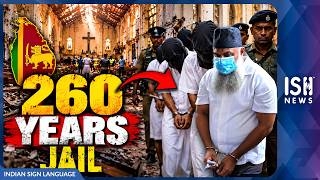
Sri Lanka has sentenced 15 men to between 200 and 260 years in prison for their roles in the 2019 Easter Sunday bombings. Nine other accused were discharged
Sri Lanka has sentenced 15 men to prison terms ranging from 200 to 260 years for their roles in the 2019 Easter Sunday bombings. The verdict, delivered on 22 September 2026, concluded the main trial against 24 accused men.
The court also ordered the confiscation of the convicted men’s properties. Nine other accused were acquitted because the prosecution failed to prove the charges against them.
What Happened on Easter Sunday in 2019?
On 21 April 2019, coordinated suicide bombings targeted churches and hotels across Sri Lanka.
The attacks killed more than 260 people and injured over 500. Most victims were Sri Lankan citizens, while foreign nationals from several countries were also among those killed. Investigators linked the attacks to local Islamist extremist groups. The Islamic State (ISIS) also claimed responsibility.
A Trial Involving More Than 23,000 Charges
The case involved 24 accused men and 23,270 charges under Sri Lanka’s Prevention of Terrorism Act.
The charges included conspiracy, helping the attackers, collecting weapons and ammunition, and other offences. The trial involved 2,309 prosecution witnesses and lasted nearly five years. One of the men convicted was Mohamed Ibrahim/Mohamed Naufer, also known as Naufer Moulavi. Prosecutors identified him as a key figure who helped spread extremist ideas and support the attackers.
How Long Are the Prison Sentences?
The 15 men received different sentences:
- Five men were sentenced to 200 years each.
- Five men were sentenced to 220 years each.
- Four men were sentenced to 240 years each.
- One man was sentenced to 260 years.
The court also ordered the confiscation of their movable and immovable properties.
Former Officials Also Face Punishment
The case has also raised questions about whether authorities acted on warnings before the bombings.
In July 2026, a Sri Lankan court sentenced former police chief Pujith Jayasundara and former Defence Ministry Secretary Hemasiri Fernando to death for failing to act on intelligence warnings. They can appeal the verdict.
In February 2026, former intelligence chief Suresh Sallay was arrested under the Prevention of Terrorism Act in connection with the investigation. He has been accused of links to the attacks but denies the allegations. His case is separate from the main trial that ended in September. The verdict marks a major development in the legal proceedings over one of Sri Lanka’s deadliest attacks. However, investigations into possible wider involvement and failures before the bombings have continued.