




 AAPL Solutions Pvt. Ltd.
Gold
WHO WILL KEEP INDIA CLEAN? THE CIVIC SENSE QUESTION
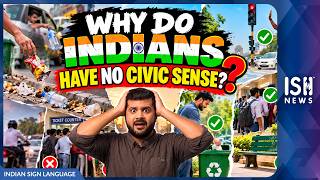
Civic sense is about how we treat shared spaces and the people around us. From littering and breaking traffic rules to damaging public property, small daily actions can make a big difference.
Civic Sense in India: Small Actions, Big Impact
Imagine a clean road with a dustbin just a few steps away. Someone throws a snack wrapper on the ground. Soon, another person throws a plastic bottle nearby. Within minutes, the road starts looking dirty. Yet, people often complain about dirty streets.
This raises an important question: Are we doing our part to keep public spaces clean?
This is where civic sense comes in. It means understanding how our actions affect other people and the places we share. Civic sense is not just about cleanliness. It also includes following traffic rules, respecting queues, avoiding spitting in public, respecting personal space and protecting public property.
Common Examples of Poor Civic Sense
1. Littering in Public Places
Wrappers, bottles, tissues and food waste are often thrown on roads, even when a dustbin is nearby. Some places may not have enough dustbins or regular waste collection. However, keeping our surroundings clean is a shared responsibility. Keeping our homes clean while littering outside does not solve the problem.
2. Breaking Traffic Rules
Jumping red lights, driving on the wrong side, blocking pedestrian crossings and parking carelessly can put people at risk. Repeated honking in traffic that cannot move also creates unnecessary noise. Traffic rules are not just about avoiding fines. They help protect lives.
3. Damaging Public Property
Parks, railway stations, footpaths, bus stops and government buildings are shared spaces. Yet, benches are sometimes damaged, walls are marked, public toilets are misused and lifts are vandalised. Repairing damaged facilities costs public money. Taking care of public property helps everyone use these spaces safely.
4. Ignoring Queues
At railway stations, hospitals, temples, government offices and food counters, some people push ahead of those already waiting. Following a queue is a simple way to respect other people’s time and give everyone a fair chance.
Why Does Civic Sense Become a Problem?
Civic sense is shaped by what we learn from others, the public facilities available and how effectively rules are enforced. Lack of awareness and the belief that looking after public spaces is someone else’s job can also contribute to the problem.
What Can We Do?
Government action matters. Cities need proper waste collection, clean public toilets, safe footpaths and effective enforcement of rules.
But facilities alone cannot solve everything. We also need to take responsibility for our own actions.
- Use dustbins and avoid littering.
- Follow traffic rules and respect pedestrians.
- Wait your turn in queues.
- Avoid damaging public property.
- Keep noise levels under control.
Civic sense begins with how we treat the people and places around us. Public spaces belong to all of us, and looking after them is everyone’s responsibility.